Why a Cuffed Hem Lengthens Legs When a Rolled One Doesn't
Quick Answer: Both create a horizontal break, but a clean narrow cuff creates a thin, deliberate line that reads as the end of the trouser, while a thick soft roll creates a wide band of bulk that reads as a separate object on your leg. The eye interprets a crisp edge as a boundary and moves past it. It stops at a bulky one. Keep any cuff under about two inches, keep it flat, and keep the ankle it exposes uninterrupted.
Same trousers, same shoes, same person. One version makes your legs look longer and the other chops them at the ankle.
This is one of the few styling effects where the mechanism is genuinely simple once you see it.
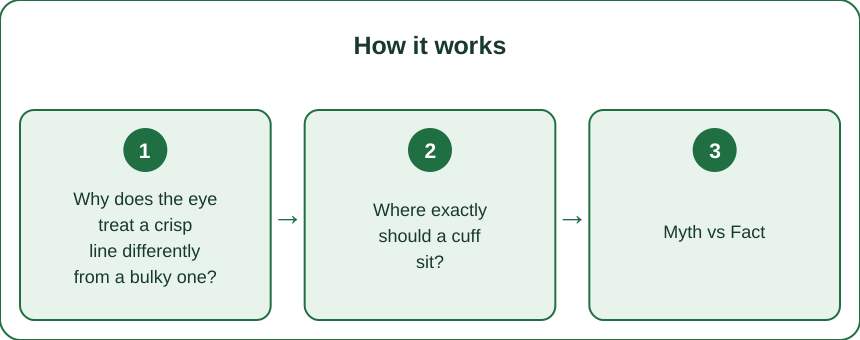
Why does the eye treat a crisp line differently from a bulky one?
Because visual attention is drawn to areas of contrast and complexity, and it lingers where there is more to process.
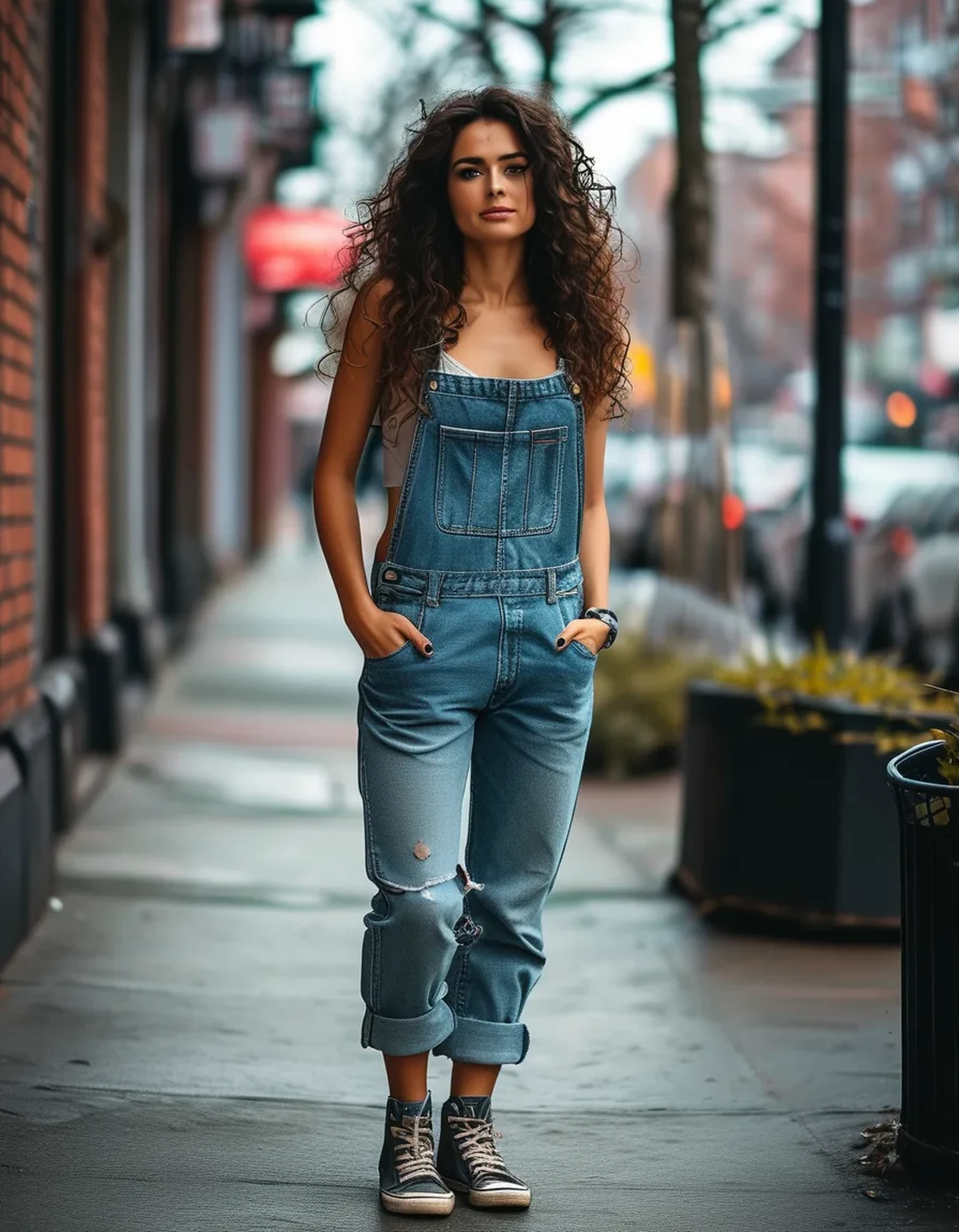
A narrow, flat, well-pressed cuff is a single high-contrast line. Your eye registers it as an edge, notes it, and continues along the leg. Total time spent there is minimal.
A thick soft roll has volume, shadow, folds, and a variable edge. It is visually complex, so the eye dwells on it. Anywhere the eye dwells becomes a perceived stopping point, and a stopping point mid-leg divides the leg into two shorter segments.
This is the same reason a slim belt in the same colour as your outfit disappears while a chunky contrasting one cuts your torso in half. The interruption is a function of visual weight, not of the horizontal line itself.
Where exactly should a cuff sit?
Position matters as much as bulk, and there is a clear best zone.
Best: at or just above the ankle bone. This exposes the narrowest part of your lower leg. A break at the narrowest point is the least visually disruptive place to put one, because the leg continues at a similar width on both sides of it.
Worst: mid-calf. The calf is the widest part of the lower leg, so a break there emphasises the widest point and creates a clear before-and-after in leg width. This is why a badly rolled wide-leg trouser can be so unflattering.
Acceptable: below the ankle bone, at the top of the foot. Less lengthening than the ankle position, but visually safe, and often the best choice with a higher-vamp shoe.
The useful test: if the cuff sits somewhere the leg is visibly tapering, it will read well. If it sits where the leg is at its widest, it will not.
Myth vs Fact: cuffs and leg line
Myth: Any horizontal line at the ankle shortens the leg. Fact: Horizontal lines only shorten when they arrest the eye. A thin, low-contrast line at the ankle is almost invisible in the overall silhouette.
Myth: Cuffing is only for people with long legs. Fact: A correctly placed narrow cuff at the ankle can help shorter legs more than longer ones, because it guarantees the hem sits at the narrowest point rather than pooling.
Myth: A double roll is fine if it is neat. Fact: Neatness helps, but thickness is the dominant variable. Two rolls of a heavy fabric is bulk regardless of how tidily it is done.
Myth: Cuffing wide-leg trousers works the same way. Fact: It is much harder. Wide legs cuff into a large volume of fabric, and the resulting band is wide in both directions. Wide-leg trousers are better hemmed than cuffed.
Myth: Matching your shoe colour makes the cuff irrelevant. Fact: It helps a great deal, since the lower the contrast between trouser, ankle and shoe, the less any break registers. It is the single most effective thing you can pair with a good cuff.
What shoe should go with a cuff?
The cuff and the shoe are one decision, not two.
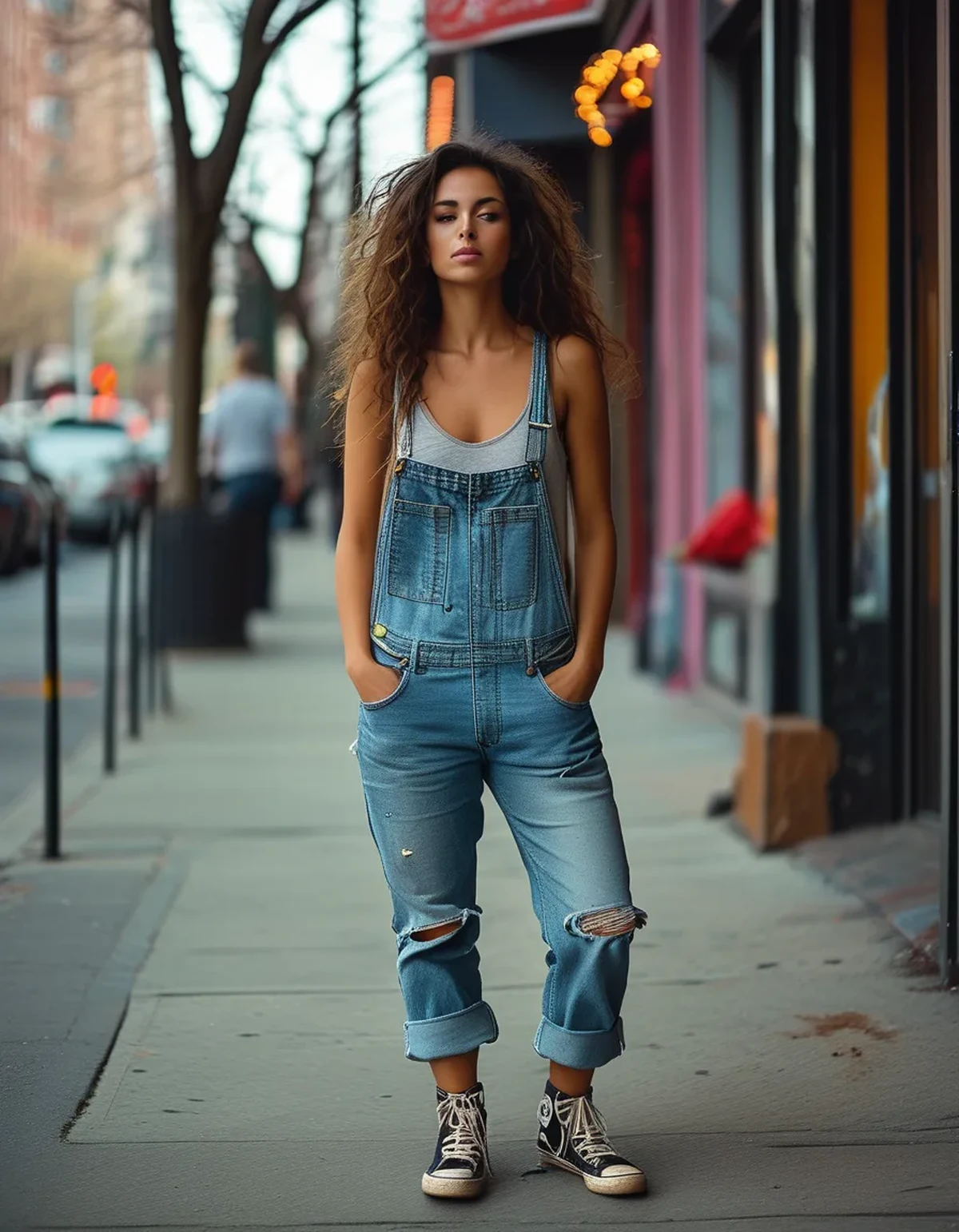
Low vamp wins. The vamp is the part of the shoe covering the top of your foot. A low vamp, like a pointed flat or a d’Orsay, exposes more of the instep and continues the visible line of the leg further down. A high vamp, like an ankle boot or a chunky sneaker, cuts the line where it starts.
Skin-tone or trouser-tone shoes extend the line. High-contrast shoes stop it. A nude flat with a cuffed cream trouser is close to a single unbroken column. A black chunky sneaker with the same trouser creates two clear stops within four inches.
Sock choice matters more than people expect. A no-show sock or a sock matching the trouser keeps the line going. A crew sock in a contrasting colour adds a second horizontal band directly beneath the first, which is the one combination that reliably undoes an otherwise good cuff.
For late August specifically, this is the season where people switch from sandals to closed shoes and lose an inch of visible ankle without noticing.
How do I get a cuff to stay flat?
Bulk is usually a construction problem rather than a technique problem.
-
Press it. A pressed cuff is thinner, sharper and stays put. Five seconds with an iron changes the effect entirely.
-
One fold, not two, on anything heavier than a light cotton. Two folds of denim is a band.
-
Keep it under two inches deep. Wider than that starts reading as a design feature rather than an edge.
-
Consider a hem instead. If you cuff the same trousers every single time, have them shortened. A hem is a flat single line with no bulk at all, which is the best-case version of what a cuff is approximating.
-
Use a small stitch or a cuff clip on trousers that unroll during the day. A cuff that has half-unrolled by lunchtime is the worst version of both options.
The honest conclusion most people reach: cuffing is a temporary solution to a hemming problem, and the trousers you love are worth the tailoring.
FAQ: Leg Line Questions, Answered
Does this apply to jeans as well as trousers?
Yes, and more strongly, because denim is heavy and rolls into a thicker band than most trouser fabrics. Jeans benefit most from a single narrow pressed cuff or a proper hem.
What about cropped trousers that are already the right length?
Better than either option, provided they end at the ankle rather than mid-calf. A designed crop has no bulk and sits where the maker intended.
Do cuffs work with leggings?
Leggings should not be cuffed. The fabric is too stretchy to hold a flat fold and it creates a compression ring instead. Choose the correct length instead.
Is it worth hemming inexpensive trousers?
Often yes. A basic hem costs a fraction of the trousers and changes how you feel in them for their entire life. It is one of the highest-return small expenses in a wardrobe.
TL;DR:
- A cuff works when it is a thin crisp line. It fails when it is a bulky band the eye dwells on.
- Put it at or just above the ankle bone, never at the widest part of the calf.
- Low-vamp shoes and low-contrast socks carry the line further than the cuff itself does.
- Press it, keep it under two inches, and if you cuff the same pair every time, hem them instead.
The cuff is not the enemy of a long leg line. Bulk is. Take the volume out of the fold and the same trousers that were cutting you off at the ankle start reading as the whole length of your leg.
See It in Motion
Seen here: High Waist Yoga Leggings with Side Pockets — shop it on bubblelime.com
Keep Reading
This article is for general informational and styling purposes only. Fit, sizing, and product availability may vary — check current details before purchasing.