The Proportion Rule That Matters More Than Any Specific Leg-Lengthening Trick
Quick Answer: Nearly every leg-lengthening styling trick — high-waisted bottoms, monochrome dressing, vertical lines — works through the same underlying principle: creating a visually longer uninterrupted line and shifting where the eye perceives your waist-to-leg ratio to begin, which means understanding this one proportion concept lets you evaluate and adapt any specific trick to your own frame, rather than blindly following a list.
Most styling advice hands you the tricks without the underlying logic — which is exactly why some of them work great on one person and do nothing for another.
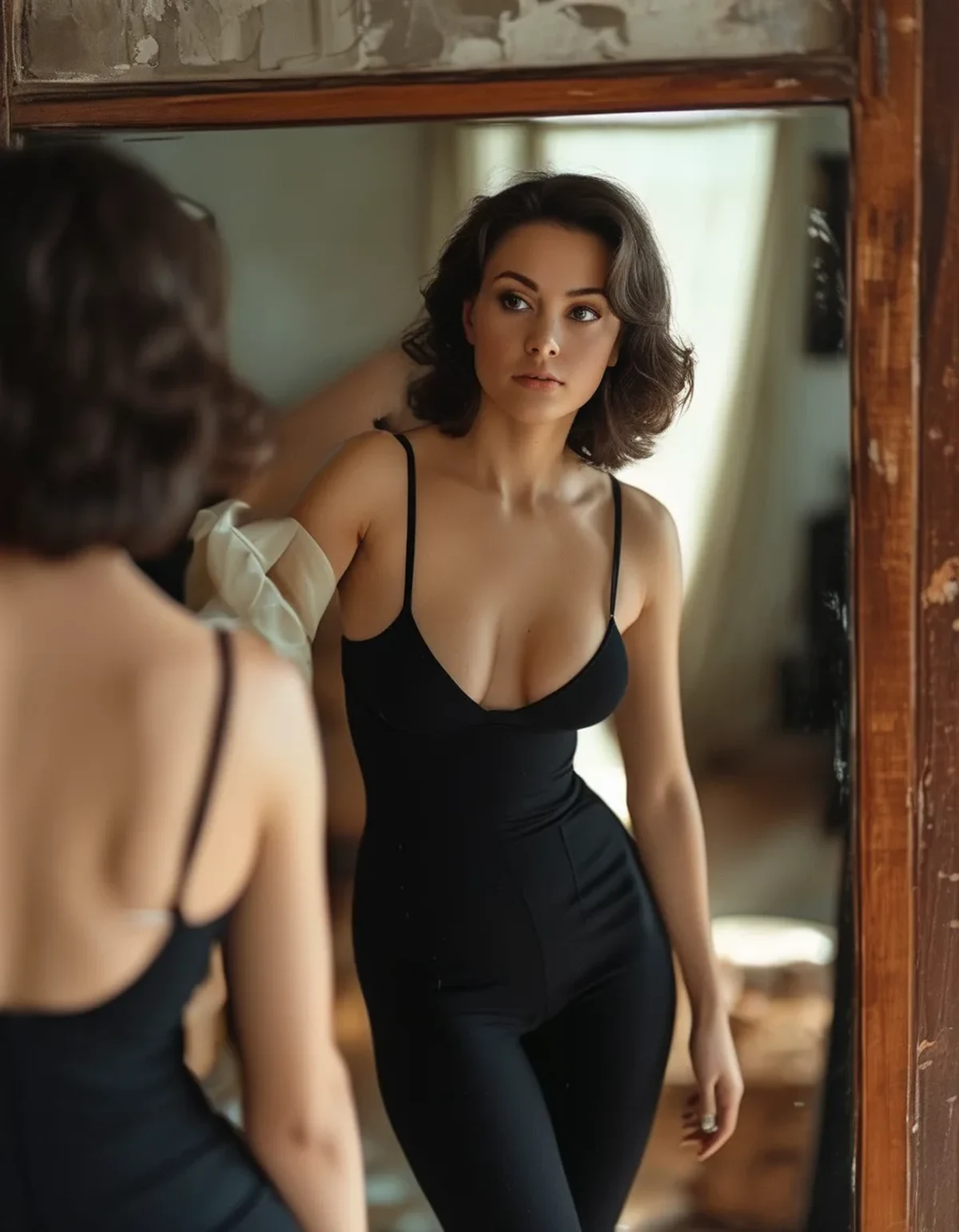
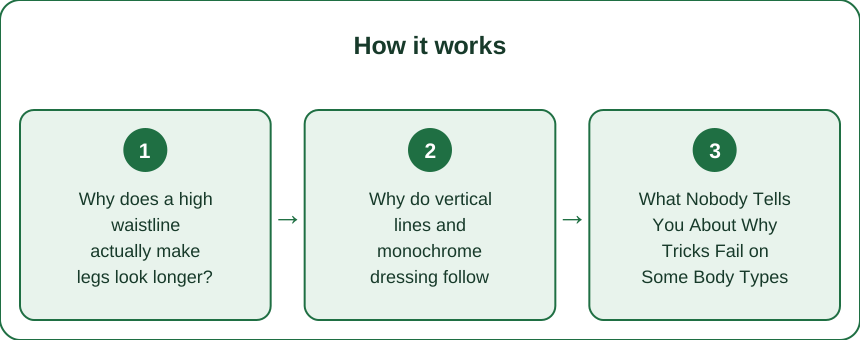
Why does a high waistline actually make legs look longer?
The visual leg length the eye perceives starts where the outfit visually establishes the waistline, not where your actual anatomical waist is — a higher waistline on pants or a skirt shifts this visual starting point up, extending the apparent leg length below it.
This is why the trick can fail if undermined elsewhere in the outfit — for example, a high waistline paired with a long, loose top that visually re-establishes a lower waistline cancels out much of the intended effect.
Why do vertical lines and monochrome dressing follow the same underlying logic?
Both work by minimizing visual breaks across the body, keeping the eye moving in one continuous line rather than stopping at a color change or horizontal seam — an unbroken line reads as longer than a segmented one of the same actual length, a well-established visual perception principle.
This is the same reason color-blocking with a contrasting color at the natural waist, or a horizontal stripe at the hip, can work against a leg-lengthening goal even if styled with good separate intentions.
What Nobody Tells You About Why Tricks Fail on Some Body Types
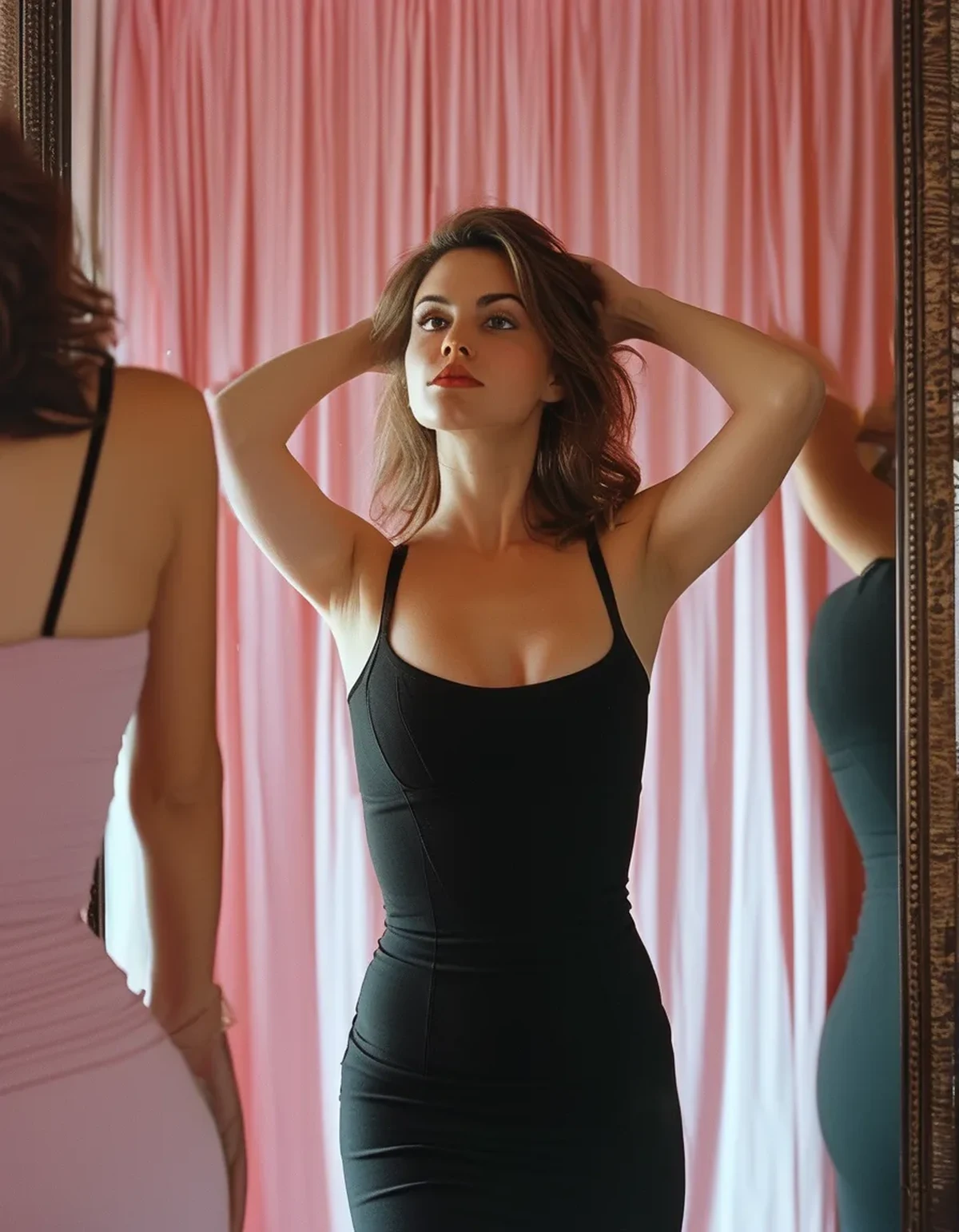
Here’s the piece missing from most listicles: these tricks assume a certain amount of torso-to-leg length to redistribute visually — on a frame where the torso is already proportionally very short, pushing the visual waistline even higher can start to look disproportionate rather than lengthening, since there’s limited torso to visually ‘donate’ to the leg length illusion.
This is why the same high-waisted trick that transforms one person’s silhouette can look slightly off on another — it’s not that the trick is wrong, it’s that the underlying proportion math is being applied without checking whether the starting proportions support it.
How can someone actually apply the proportion principle instead of just copying tricks?
- Identify your own torso-to-leg ratio honestly, rather than assuming a generic trick applies universally
- Check that every part of an outfit supports the same visual line — a high waist undermined by a low-hanging top defeats its own purpose
- Use monochrome or vertical lines as reinforcement, not a fix on their own, when a proportion shift is the actual goal
- Adjust trick intensity to your frame — a moderate rather than extreme high waist may work better for some proportions
FAQ: Proportion Dressing Questions, Answered
Do these proportion principles apply to all heights?
Yes — the underlying visual perception logic (unbroken lines read as longer, waistline placement shifts perceived ratio) applies regardless of actual height, though the ideal intensity of application varies by individual proportion.
Can proportion dressing tricks actually make someone look shorter if misapplied?
Yes — an overly high waistline on a proportionally short torso, or breaking up the line with contrasting colors at the wrong point, can work against the intended effect.
Is monochrome dressing required for a longer-leg illusion?
No — it’s one tool that reinforces the unbroken-line principle, but the principle can be achieved other ways (matching tones without full monochrome, vertical prints) if solid monochrome isn’t a preferred look.
TL;DR:
- Nearly all leg-lengthening tricks work through one principle: shifting the visual waistline and minimizing line breaks
- A high waist gets undermined if another part of the outfit re-establishes a lower visual waistline
- The tricks assume a certain torso-to-leg ratio, which is why they don’t work identically for everyone
- Understanding the underlying principle lets you adapt any trick to your own actual proportions
Once you see the shared logic behind these tricks, you stop needing a running list — you can just evaluate any outfit against the same simple question yourself.
See It in Motion
Seen here: High Waist Drawstring Wide Leg Yoga Pants with Pockets — shop it on bubblelime.com
Keep Reading
This article is for general informational and styling purposes only. Fit, sizing, and product availability may vary — check current details before purchasing.